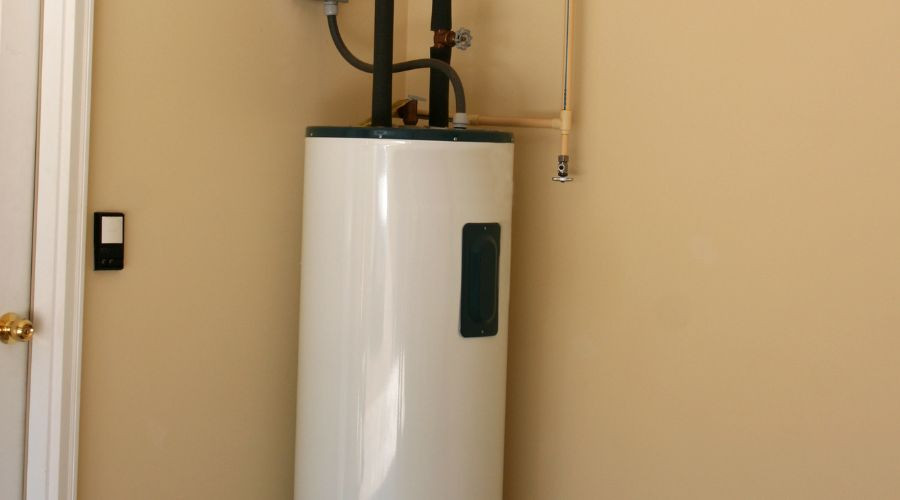
A Guide to Water Heater Replacement
Dealing with a failing water heater can be a major headache, but knowing the signs that indicate water heater replacement is needed, along with replacement options, can make the process much smoother. This guide will discuss important things for homeowners to know about water heater replacement, from recognizing when it's needed and the benefits of installing a new water heater to choosing between a gas and electric water heater.
Signs to Replace a Water Heater
 There are several signs that can alert homeowners to the need for water heater replacement, besides the obvious performance issues, such as no hot water and insufficient hot water for the household. Other signs that indicate the need to replace the water heater include a unit that needs frequent repairs, a leaking water heater, and corrosion.
When a water heater is rusted and corroded, it will need to be replaced. Replacing it early, after spotting signs of corrosion, can help prevent leaks and water damage. Besides visible rust and corrosion on the water heater, other signs of a corroded water heater are rusty or discolored hot water flowing from fixtures, and hot water with a metallic smell or taste.
Age is another critical factor to consider when determining whether a water heater needs replacing. A conventional hot water heater typically lasts 8 to 12 years, so units exceeding the 10-year mark are likely to need replacement. Older water heating systems lose efficiency over time, consuming more energy to produce the same amount of hot water. So, high utility bills could also be a sign of an old and inefficient water heater that needs to be replaced.
Benefits of Water Heater Replacement
 Replacing an old water heater and installing a new, energy-efficient one can provide advantages that impact both comfort and finances. A new water heater installation improves energy efficiency, lowering water heating costs. This is because outdated units often operate at a diminished capacity, while new water heater models are more energy-efficient at installation than older models.
Beyond the monthly utility cost savings, new water heaters can eliminate the frustration of frequent repairs. A new water heater will have a lower risk of experiencing problems and requiring water heater repair, which can reduce repair costs and provide peace of mind and consistent performance for years to come.
Additionally, new water heaters can provide faster hot water recovery, resulting in quicker heating between uses, less time spent waiting for hot water, and increased comfort. This improved performance can transform daily routines with faster and dependable hot water exactly when it’s needed.
Choosing Between Electric and Gas Water Heaters
When replacing an old water heater and installing a new one, people may not know whether to opt for an electric water heater or a gas water heater. Each type offers distinct advantages, so the right choice depends on a homeowner’s preference and household needs. Homeowners may also want to consider their home's existing infrastructure when making a decision.
Electric water heaters can provide several compelling benefits, including costing less upfront than gas water heaters and being easier to install. Additionally, electric water heaters have fewer safety concerns because they do not use natural gas, unlike gas water heaters, thereby avoiding the risk of a gas leak.
Gas water heaters also have several advantages over electric water heaters. Although gas water heaters have a higher upfront cost, they have lower operational costs, saving money on monthly utility bills. Gas water heaters also have fast water heating times and high heating capacity, which can make them ideal for larger households. They can also maintain functionality during power outages.
About PAC Plumbing, Heating, Air Conditioning
PAC Plumbing, Heating, Air Conditioning has been serving the Staten Island area since 1978. They provide award-winning service, fast response, and maintenance plans. Call them for water heater replacement and installation services in Staten Island, NY.
)
Distribution Links +
- https://smb.magnoliastatelive.com
- https://smb.natchezdemocrat.com
- https://smb.orangeleader.com
- https://smb.panews.com
- https://smb.picayuneitem.com
- https://smb.alabamanow.com
- https://smb.albertleatribune.com
- https://smb.andalusiastarnews.com
- https://smb.lobservateur.com
- https://smb.panolian.com
- https://smb.alexcityoutlook.com
- https://smb.americustimesrecorder.com
- https://smb.atmoreadvance.com
- https://smb.amnews.com
- https://smb.austindailyherald.com
- https://smb.americanpress.com
- https://smb.dailyleader.com
- https://smb.oxfordeagle.com
- https://smb.vicksburgpost.com
- https://smb.bluegrasslive.com
- https://smb.claiborneprogress.net
- https://smb.clantonadvertiser.com
- https://smb.brewtonstandard.com
- https://smb.demopolistimes.com
- https://smb.elizabethton.com
- https://smb.greenvilleadvocate.com
- https://smb.jessaminejournal.com
- https://smb.kenbridgevictoriadispatch.com
- https://smb.leaderpub.com
- santabarbara.newsnetmedia.com
- siouxfalls.newsnetmedia.com
- waco.newsnetmedia.com
- sports.newsnetmedia.com
- lifestyle.beaconseniornews.com
- lifestyle.bryancountymagazine.com
- lifestyle.egcitizen.com
- lifestyle.hendersonvillemagazine.com
- lifestyle.ghlifemagazine.com
- lifestyle.porchandparish.com
- lifestyle.stylemg.com
- lifestyle.chattahoocheevalleyliving.com
- lifestyle.sanclementejournal.com
- lifestyle.todaysfamilymagazine.com
- lifestyle.poolermagazine.com
- lifestyle.fredericksburgparent.net
- lifestyle.thehoodmagazine.com
- lifestyle.newarklifemagazine.com

 Unusual noises from an air conditioning system often indicate the need for air conditioning repair. While a properly functioning unit operates with a low, consistent hum, strange sounds can signal internal issues that require immediate attention.
 Soaring energy bills often indicate that an air conditioning system is struggling and may require maintenance or repairs. When an AC unit operates inefficiently, it consumes excess electricity while failing to maintain consistent indoor comfort. Common culprits include clogged filters, refrigerant leaks, and worn components, all of which force the system to work harder than necessary.
)
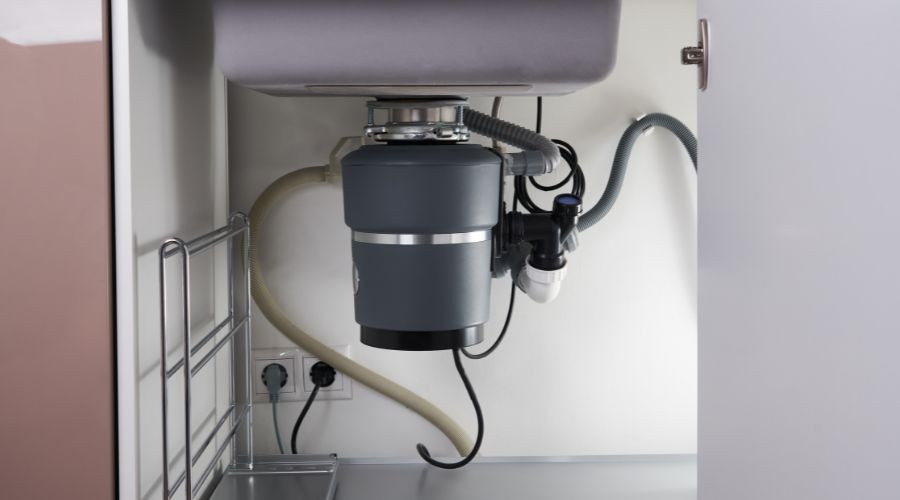
 A garbage disposal is designed to handle certain types of food waste, but
  Cold water is a garbage disposal's best friend during operation. Unlike hot water, which can melt fats and grease that later solidify and cause clogs, cold water helps solidify food particles so they can be effectively ground up and flushed away. Always run cold water before turning on the disposal, continue running it while the unit operates, and keep it flowing for at least 15-20 seconds after turning the disposal off. This helps the food waste get through the disposal chamber and move through the pipes.
)

 A dirty or clogged air filter is one of the most common - and often overlooked – causes of poor airflow in the home. An
  Dirty AC coils or an AC refrigerant leak could also be culprits behind poor airflow in air conditioning systems or warm air coming from the vents instead of cooled air. The evaporator coil, a critical component, absorbs heat from the air to cool it. Over time, dust and debris can build up on the coil, reducing its energy efficiency and making it harder for the system to cool the air effectively. This can result in weak airflow or even warm air coming from the vents.
)
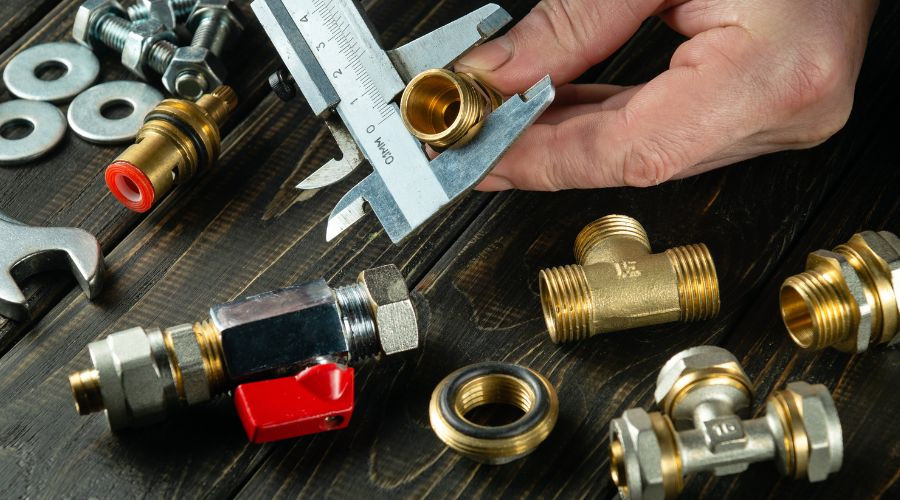
 Homeowners often respond to clogged drains by pouring liquid drain cleaner down their pipes. It is easy to understand why these products are readily available and advertised as the best solution for clogged drains.
  Homeowners often flush or pour several things down toilets or drains, which can cause serious issues with their plumbing. Some can even result in a sewer line clog, which can be very expensive to repair.
 )